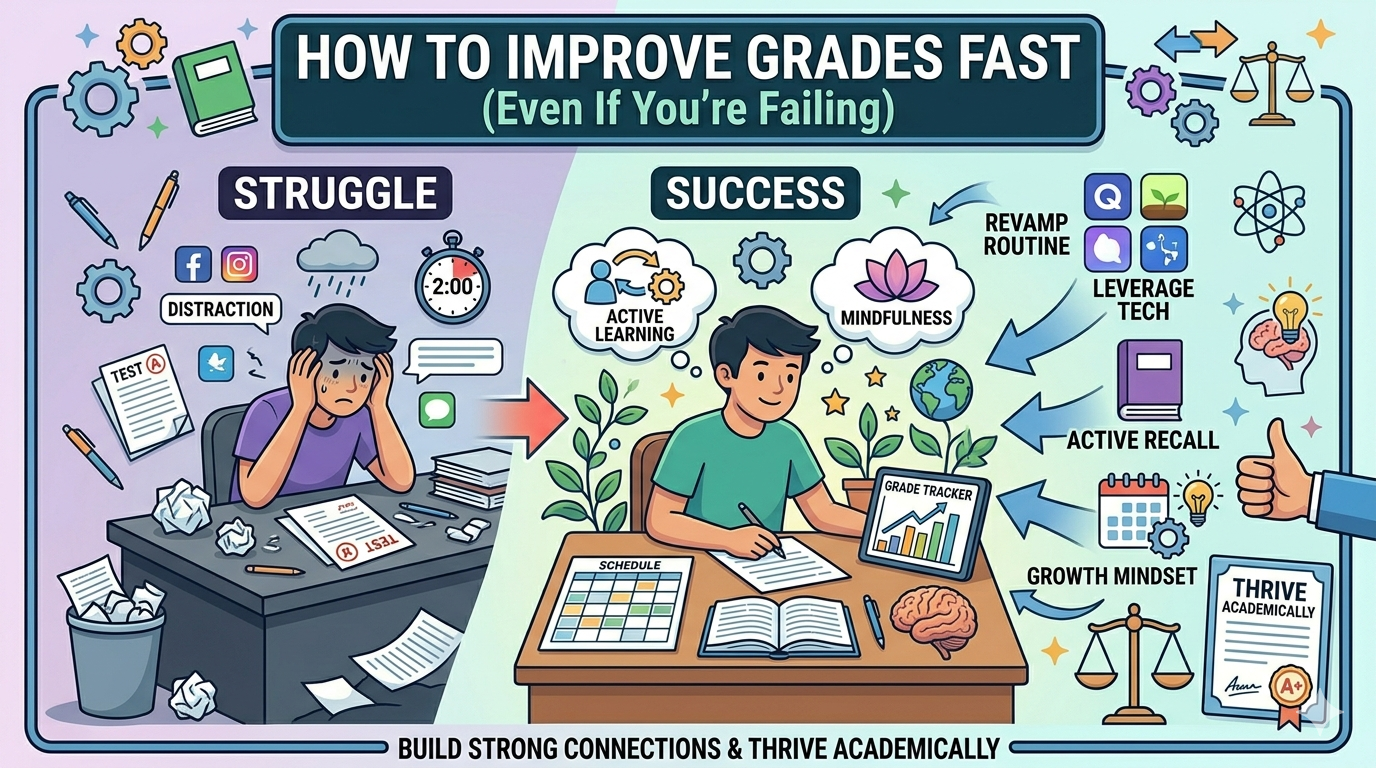
As a parent, it’s common to feel confused when a child who seems intelligent still struggles with grades. You may find yourself thinking, “My child is smart, so why aren’t the results consistent?” This situation is more common than most parents realize.
In our main guide on how to get good grades, we explain that academic success is rarely about intelligence alone. It is built on systems daily routines, habits, and learning structures that support a child’s development over time. The foundation of that system is formed during the elementary school years.
This supporting guide focuses specifically on elementary school strategies that help improve grades naturally. You’ll learn how to create effective routines, support your child’s learning style, and manage homework in a way that builds confidence without pressure, conflict, or stress.
WHAT GOOD GRADES ACTUALLY MEAN IN ELEMENTARY SCHOOL

It’s important to clarify that good grades in elementary school don’t necessarily equate to higher intelligence. The early grades are not an intelligence test; they’re a test of skills, habits, and routines. Academic success at this stage is largely about developing foundational skills and habits that will benefit students as they progress through their education.
Why Are Foundation Years So Important?
These years shape your child’s attitude towards learning, problem-solving abilities, and critical thinking. In other words, they set the groundwork for all future academic success. If a child builds a positive relationship with learning and develops strong study habits in elementary school, they are much more likely to thrive in higher education.
HOW ELEMENTARY STUDENTS LEARN DIFFERENTLY
Attention Span & Brain Development
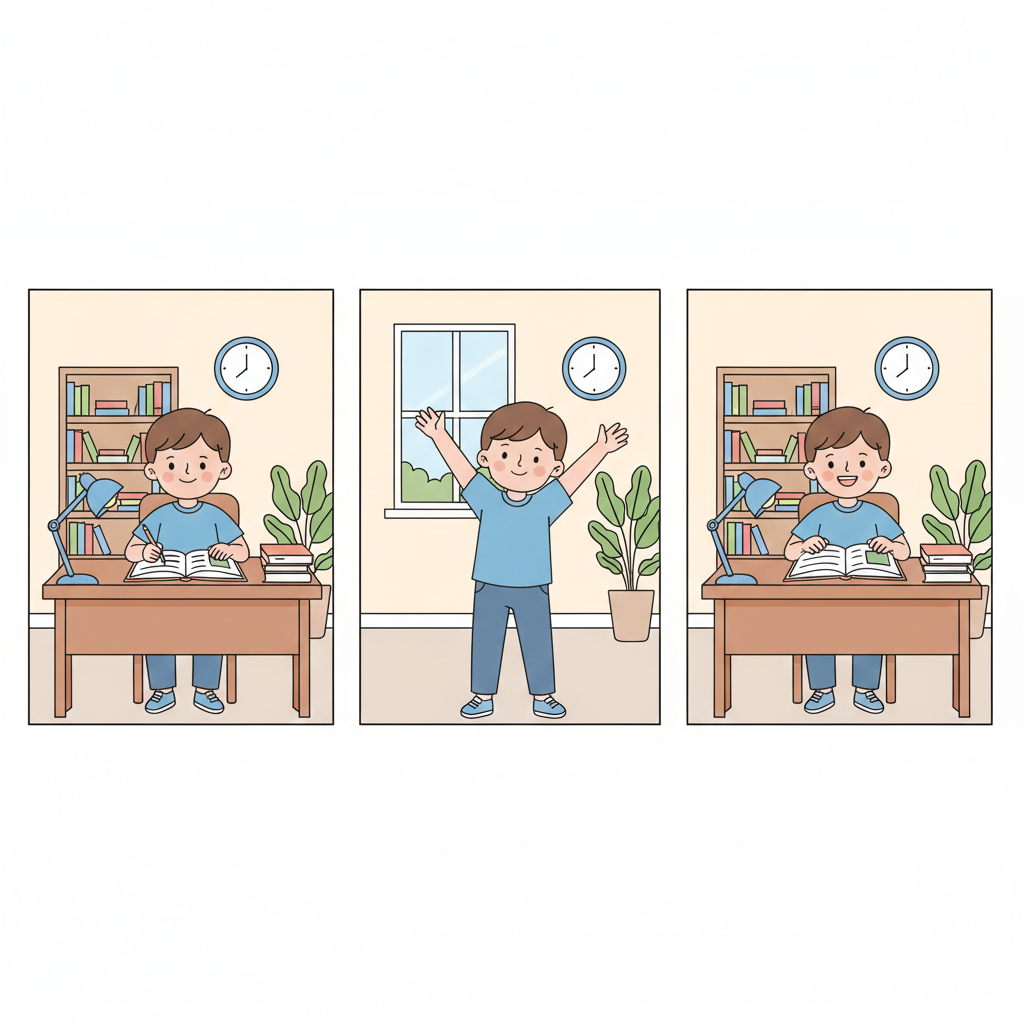
Elementary students have shorter attention spans compared to older children. This is due to their developing brains, which aren’t as capable of prolonged focus. Instead of forcing children to sit for long stretches of time, effective study routines should rely on shorter, more focused periods with breaks in between.
Tip: Use repetition and active recall to reinforce learning instead of cramming.
Learning Styles in Young Children
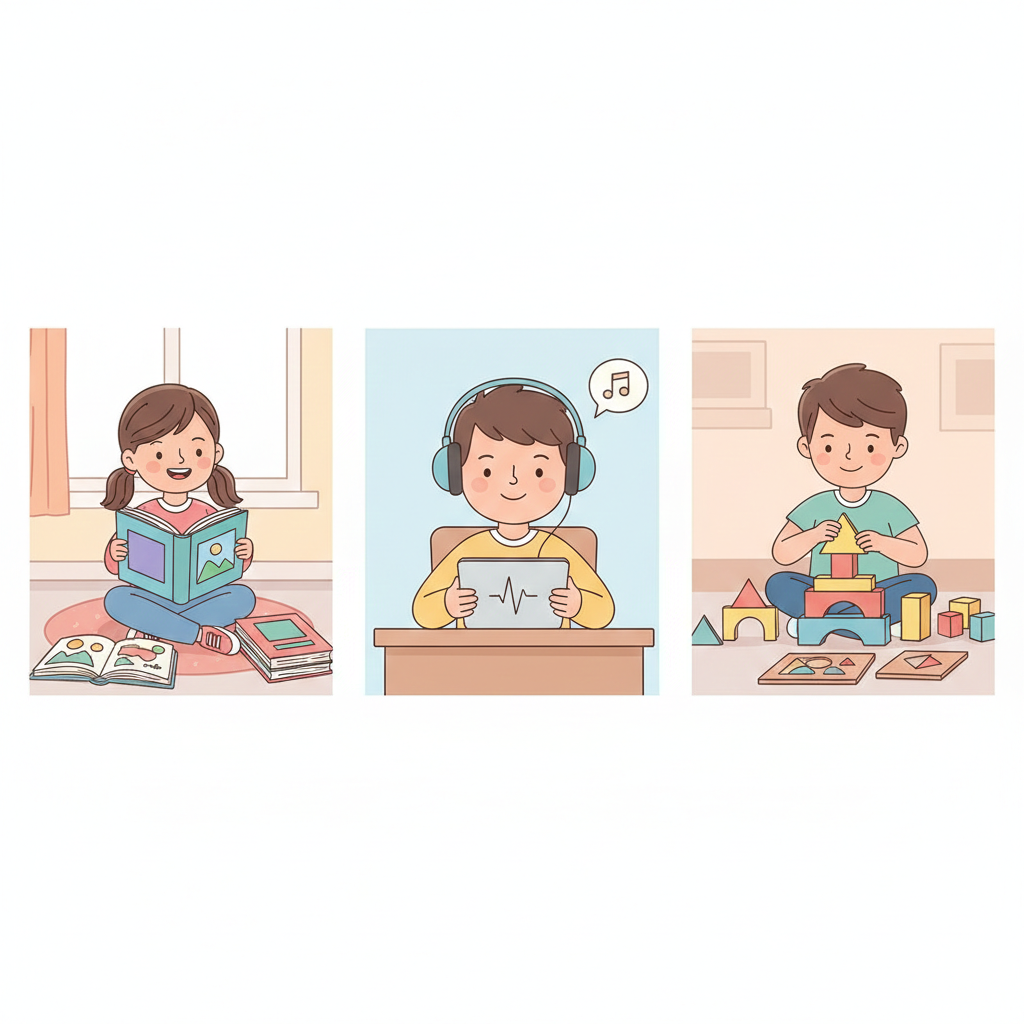
Every child learns differently. Some are visual learners, others are auditory, and some learn best through hands-on experiences (kinesthetic). Understanding your child’s preferred learning style can help you tailor your support in ways that resonate with them.
- Visual learners: Use charts, diagrams, and color-coded notes.
- Auditory learners: Encourage listening to educational podcasts or discussing subjects aloud.
- Kinesthetic learners: Try incorporating movement or physical activities related to their lessons.
BUILDING A DAILY STUDY ROUTINE THAT ACTUALLY WORKS
Ideal Study Time for Elementary Students
The question of “when to study” often depends on your child’s individual needs and energy levels. Generally, it’s better to schedule study sessions after a short break following school. This allows them to unwind and recharge before tackling homework or other academic tasks.
Homework Routine for Kids
Creating a predictable routine helps children develop positive associations with homework. A successful routine should involve a start → break → finish loop:
Finish: Complete the remaining tasks with full attention.
Start: Set a specific time for homework, ensuring your child is focused and has all the materials they need.
Break: A short 5-10 minute break midway through can help with focus and energy levels.
Study Duration by Grade Level
Study time should gradually increase as students advance through the grades. For example:
Grade 5: 40-60 minutes, depending on the subject and homework load.
Kindergarten: 15-20 minutes of focused study time.
HOW TO HELP YOUR CHILD WITH HOMEWORK (WITHOUT FIGHTING)

Parent’s Role During Homework
As a parent, your role is to guide and encourage, not to control. Offer help when your child is stuck, but allow them to figure out solutions on their own to foster independence and confidence.
What to Do When Child Refuses Homework
If your child is resisting homework, it’s important to understand the root cause. Are they feeling overwhelmed? Distracted? Bored? Sometimes, simply breaking down assignments into manageable chunks can help.
Common Homework Mistakes Parents Make
- Doing too much for your child: This can lead to them feeling less responsible.
- Not providing a quiet space for studying: Distractions like TV, noise, or toys can hinder focus.
- Overloading with rewards or punishments: This can create stress rather than motivation.
READING SKILLS: THE #1 GRADES MULTIPLIER
Daily Reading Habits for Elementary Students
Reading is essential for academic success. Encourage your child to read for at least 20 minutes every day. Consistency is key create a set time for reading each day, whether before bedtime or after school.
Improving Reading Comprehension
Ask questions about the story or content they’ve read. Encourage your child to summarize the material in their own words. This enhances understanding and retention.
Reading at Home vs School
There is a clear difference between reading at school and reading at home. In school, students might read out loud in class, while at home, reading for pleasure can promote deeper learning and better comprehension.
MATH SKILLS WITHOUT FEAR OR ANXIETY
Why Kids Struggle With Math Early
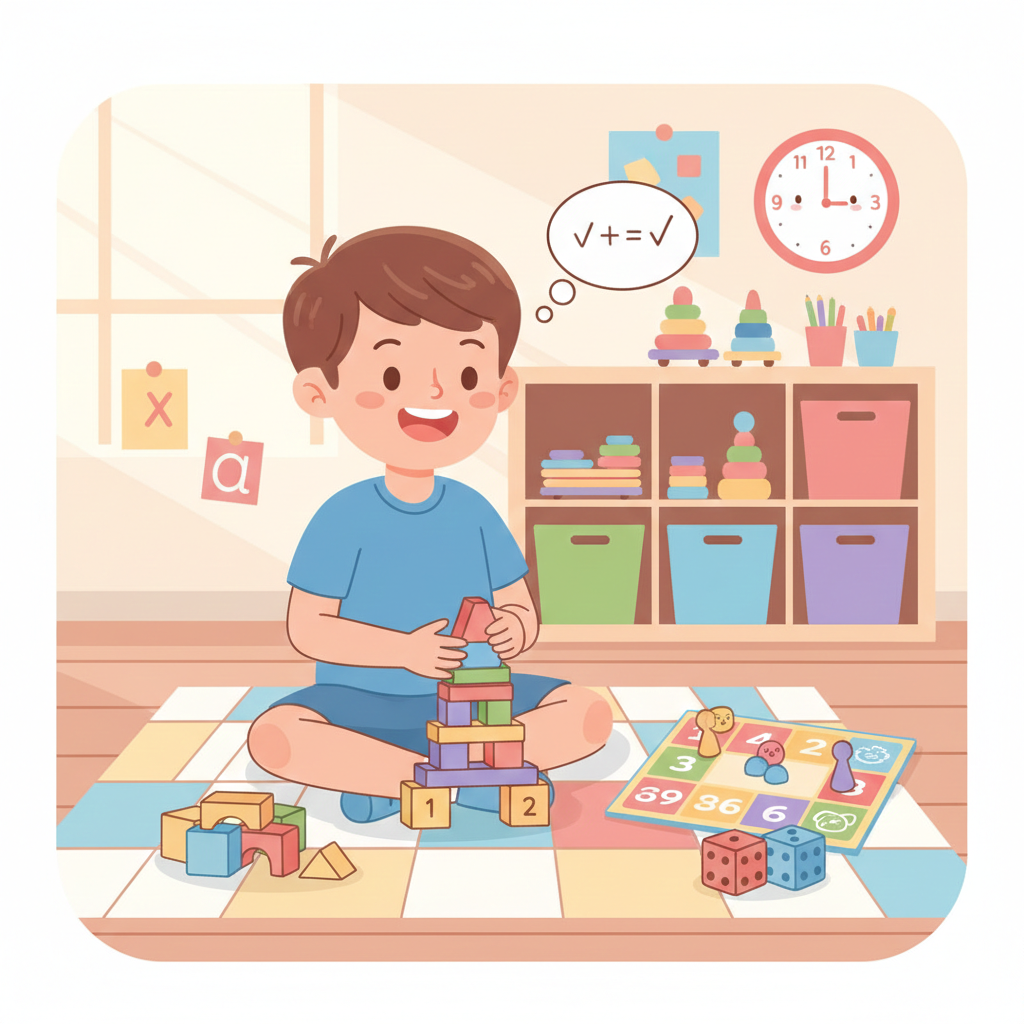
Many kids develop a fear of math due to early struggles. This creates a cycle of anxiety that affects their ability to perform well. The key is to break this cycle by making math fun and engaging.
Making Math Fun at Home
Use games or real-life examples to make math more relatable. For instance, cooking or shopping can offer a natural way to practice math skills like addition, subtraction, or fractions.
Practice Without Pressure
Encourage your child to practice math regularly but keep the mood light and stress-free. Praise their efforts, not just their results.
CLASSROOM BEHAVIOR & PARTICIPATION IMPACT ON GRADES

Listening Skills
Good grades are not just about doing assignments. Children who listen attentively in class tend to retain more information and perform better. Encourage your child to focus during lessons and avoid distractions.
Following Instructions
Clear instructions are essential in the classroom. Encourage your child to listen carefully and ask for clarification if they don’t understand something.
Asking Questions Confidently
Encourage your child to ask questions in class. It boosts their understanding and shows they’re actively engaged in learning.
STUDY SKILLS KIDS MUST LEARN EARLY
Organization Skills
Teaching your child how to stay organized is crucial for success in school. Encourage them to use folders, binders, or digital tools to keep their materials organized.
Time Awareness (Not Time Management)
At the elementary level, teaching time awareness is more important than teaching time management. Help your child develop a sense of how long tasks take, so they can pace themselves appropriately.
Responsibility & Ownership
Help your child understand that their education is their responsibility. Encourage them to take ownership of their homework, assignments, and projects.
SLEEP, NUTRITION & SCREEN TIME (SILENT GRADE KILLERS)
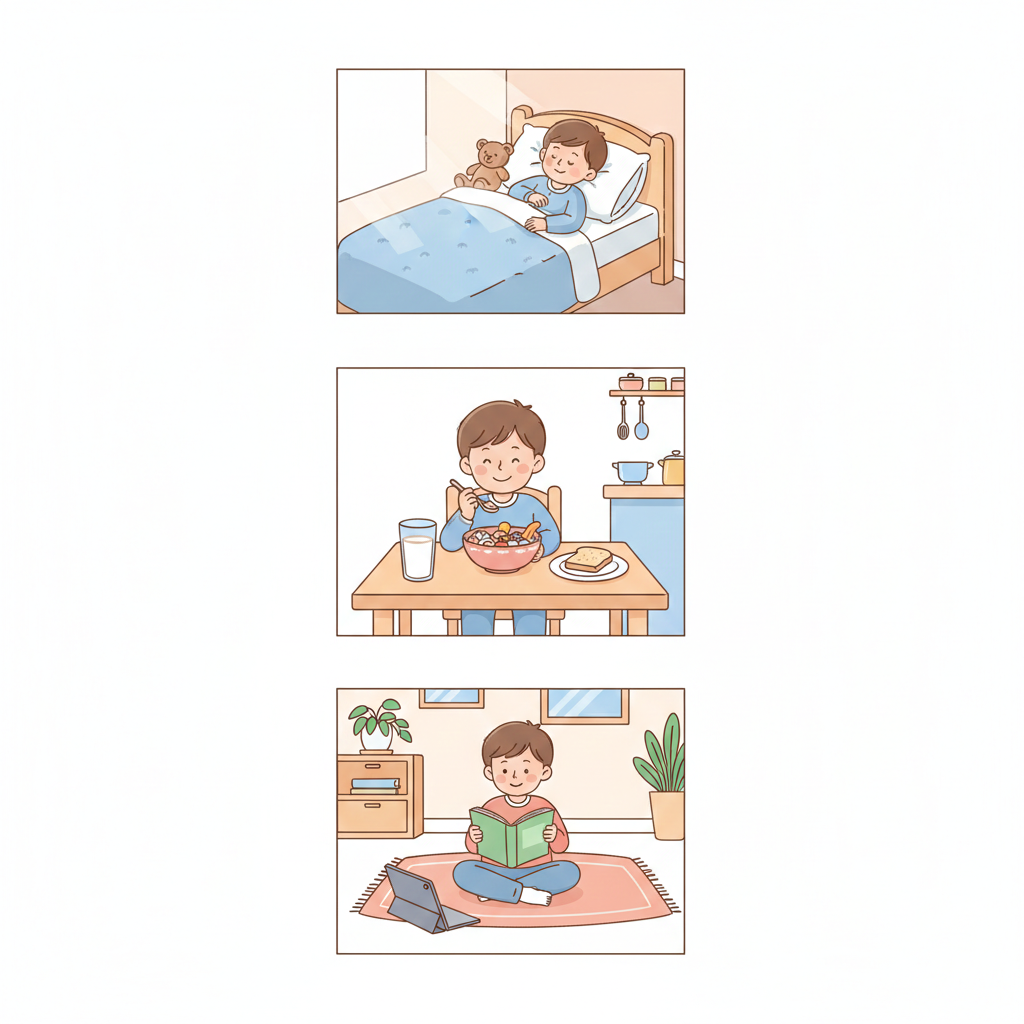
Sleep Requirements by Age
Sleep plays a vital role in academic performance. Ensure your child is getting enough sleep according to their age. A typical elementary-aged child requires 9-11 hours of sleep.
Food That Supports Focus
Nutrient-rich meals support brain function. Ensure your child’s diet includes proteins, whole grains, fruits, and vegetables, which can help with concentration and memory.
Screen Time Rules for Students
Excessive screen time can disrupt sleep and focus. Set limits on recreational screen time and encourage outdoor activities and reading.
MOTIVATION WITHOUT PRESSURE OR COMPARISON
Praise Effort, Not Just Results
Praise your child for the effort they put into their studies, not just their grades. This helps them understand the value of hard work, persistence, and improvement.
Reward Systems That Work
Create a system where your child can earn rewards for achieving academic milestones. This could include extra playtime, a special outing, or a small treat.
Avoiding Comparison Damage
Avoid comparing your child to others. Each child is unique and learns at their own pace. Focus on their individual progress.
WORKING WITH TEACHERS FOR BETTER GRADES
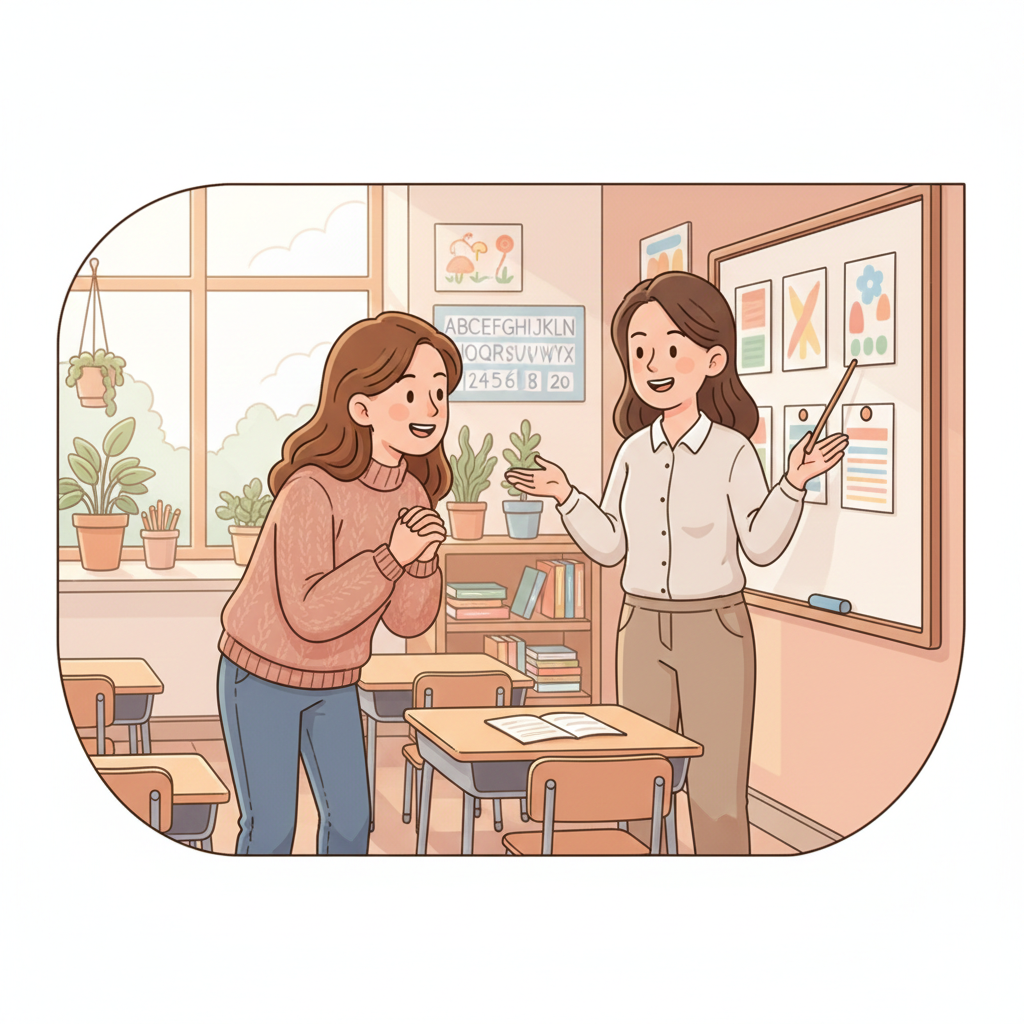
When & How to Communicate
Stay in touch with your child’s teacher regularly. This helps you understand your child’s progress and any challenges they may be facing.
Understanding Teacher Feedback
Teacher feedback is invaluable. If your child’s grades are slipping, ask the teacher for constructive feedback on what can be improved.
Fixing Issues Early
Address any academic issues early on to prevent them from escalating. Whether it’s a learning gap, behavior issue, or a difficulty with a subject, timely intervention can help.
WHAT TO DO IF GRADES ARE STILL LOW
Identifying Learning Gaps
If your child’s grades are lower than expected, identify whether there are learning gaps. These can be filled with additional practice, support, or tutoring.
Extra Help Options
Consider extra help options such as tutoring, online resources, or study groups if your child is falling behind in a particular subject.
When to Seek Professional Help
If learning difficulties persist, it may be time to consult a professional. A learning specialist can identify any underlying issues and recommend strategies for support.
LONG-TERM VIEW: FROM ELEMENTARY TO COLLEGE SUCCESS
The habits your child develops in elementary school will compound over time, leading to better outcomes in middle school, high school, and beyond. Early discipline, responsibility, and consistent effort will translate into later academic success.
If you want to learn more about fostering your child’s academic excellence for the long term, check out our detailed guide on How to Get Good Grades

CONCLUSION
In this guide, we focused on practical strategies specifically for elementary school that help improve grades through better routines, reading habits, math confidence, classroom behavior, sleep, nutrition, and motivation. These early years are about building strong foundations, not chasing perfection.
The most important takeaway is consistency. Small, repeatable habits practiced daily have a far greater impact than short bursts of pressure or over-studying. When children feel supported and confident, progress follows naturally without stress or conflict.