
Struggling to get good grades despite studying hard? You’re not alone. Many high school students put in the effort but still see their GPA stagnate. The reason? It’s not just about studying harder it’s about studying smarter. This guide reveals the real system top students use to get good grades in high school.
Why High School Grades Are a Different Game

High school academics are a different ball game from middle school. It’s not just about completing assignments and passing tests. High school grades are shaped by a more complex grading system, which includes a variety of assessments weighted differently, and significantly impact your GPA (Grade Point Average). The choices you make now will have a long-term impact on college applications, scholarships, and career opportunities.
In high school, you face:
- GPA Importance: Your GPA is the most critical factor influencing your college admissions and scholarship opportunities. Each grade point counts toward your final score, so it’s essential to learn high school GPA tips for improvement.
- Exams and Grading Weights: High school exams often carry much more weight compared to middle school tests. A single exam can account for a significant portion of your grade, so focusing on exam prep strategies is key to success.
- Long-term Impact: The grades you get in high school don’t just affect your immediate academic record; they shape your educational trajectory, determining access to honors programs, AP courses, and ultimately your college applications.
Pro Tip: Your GPA is one of the first things colleges will look at when reviewing your application. Start working on improving it as early as possible to create the best possible future.
Why Most High School Students Work Hard but Still Get Bad Grades

It’s common to feel like you’re putting in the effort but not seeing results. The problem often lies in the effort vs strategy gap. Simply working hard is not enough to guarantee success in high school.
Here are some reasons why hard work might not lead to good grades:
- Lack of Strategy: Many students spend hours studying or doing homework but lack an effective strategy. Without a system to organize tasks, manage time, and prioritize assignments, their effort is wasted.
- Distractions: High school students face many distractions social media, extracurricular activities, and sometimes family obligations. These can drain your study time and reduce focus.
- Poor Planning: Without proper planning, students often fall behind on assignments or study at the last minute. This can impact your grades significantly.
How High School Grading Actually Works (What Students Don’t Realize)
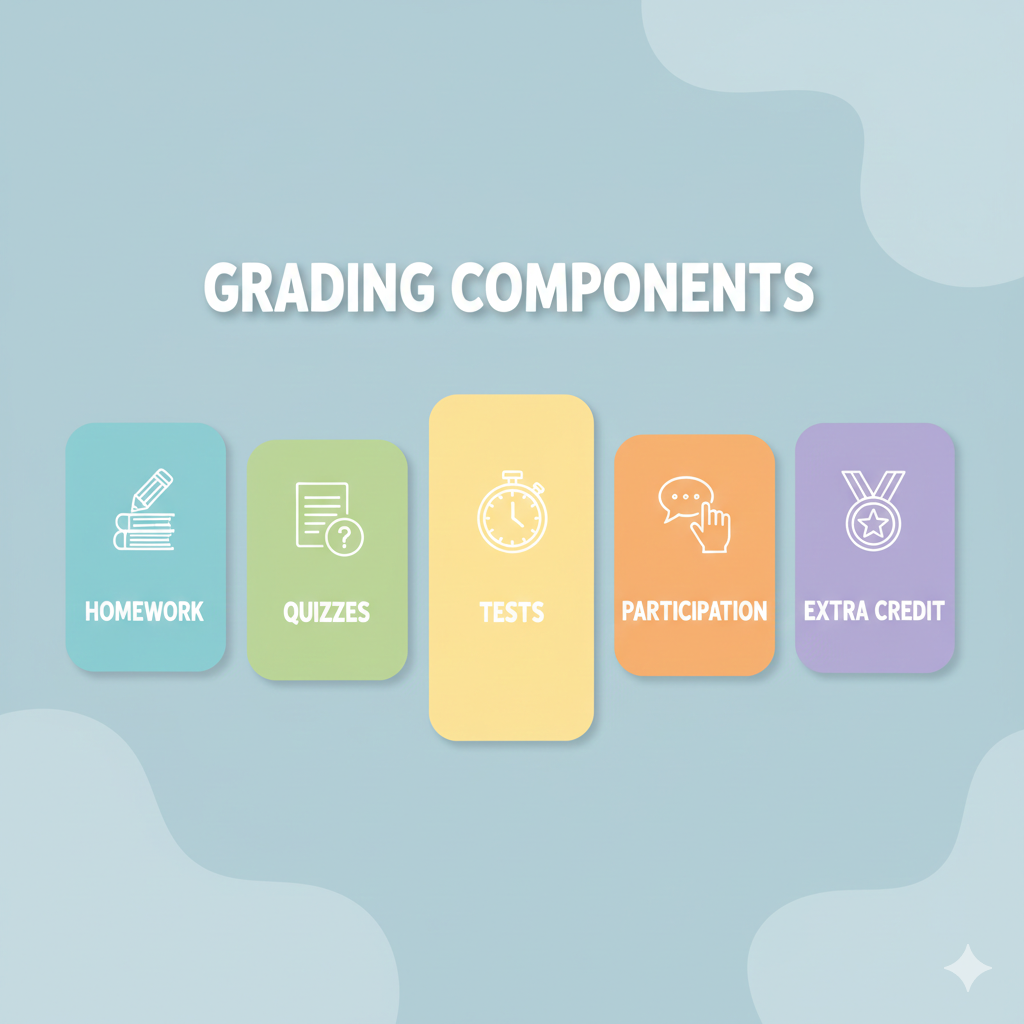
High school grading isn’t as simple as completing assignments and taking tests. There are several components that factor into how your grade is calculated, and they’re more nuanced than you might realize.
Here’s a breakdown:
- Homework vs Tests: Homework typically accounts for a small portion of your grade, but tests often carry much more weight. Understanding this, prioritize your study time for tests, especially final exams, as these are typically weighted more heavily than other assessments.
- Quizzes: Though quizzes may feel low-stakes, they still contribute to your final grade. It’s essential to take every quiz seriously, as consistent effort can significantly improve your overall score.
- Participation Marks: Some courses give marks for participation. This might not seem like a lot, but it can be the deciding factor between a C and a B if you’re on the cusp of a higher grade.
- Extra Credit Logic: Extra credit assignments are common in high school and can be a way to boost your grade. However, relying too much on extra credit without focusing on your main coursework can hurt your GPA in the long run.
Quick Tip: Don’t overlook quizzes, participation marks, or small assignments. They add up and can make a big difference in your final grade.
The High School Grades System (Step-by-Step Framework)
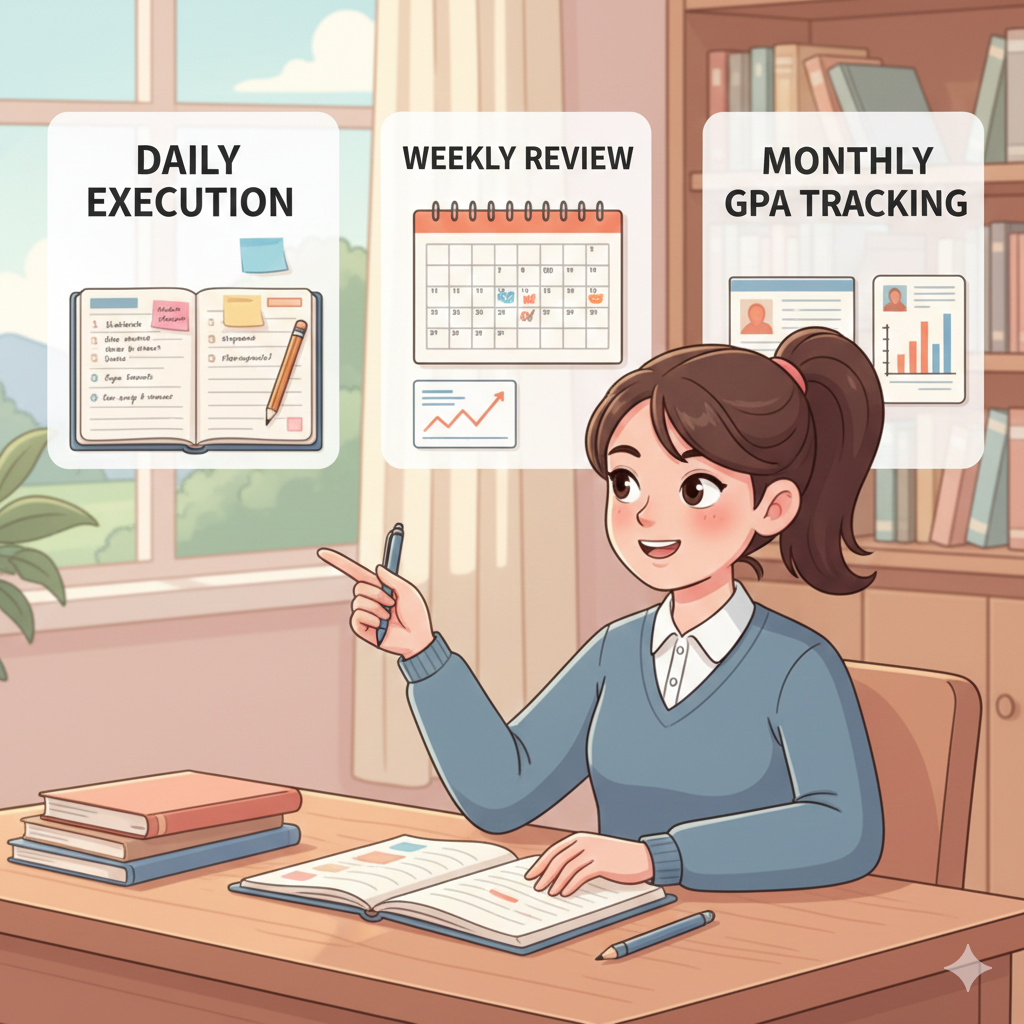
To get good grades in high school, you need a disciplined, structured approach. Here’s a step-by-step framework that top students follow:
1. Daily Execution System
Every day, set a plan for what you need to accomplish. This should include:
- Prioritizing homework based on deadlines and difficulty.
- Setting specific goals for study sessions (e.g., mastering a chapter, practicing problems, reviewing notes).
- Using a planner or digital tool to track assignments and due dates.
2. Weekly Review System
At the end of each week, review your progress:
- Evaluate which subjects require more focus.
- Adjust your schedule for the upcoming week to stay on track.
- Check your grades and assignments to ensure nothing is slipping through the cracks.
3. Monthly GPA Tracking Mindset
Tracking your GPA monthly can help you identify trends. If you see a dip, it’s a signal to adjust your strategy. This proactive approach is crucial for long-term academic success.
How to Manage Multiple Subjects Without Falling Behind

Managing multiple subjects can be overwhelming, but with the right system, it’s entirely doable. Here’s how to handle multiple subjects without falling behind:
- Weak Subject Recovery: If you’re struggling in one subject, set aside extra time each week to focus on it. Don’t wait until exams approach to catch up.
- Strong Subject Maintenance: Even if you’re excelling in a subject, don’t neglect it. Regular review and practice will help maintain your strong grades.
Mini-Example: Sarah is struggling in biology but acing math. By dedicating 30 minutes every evening to reviewing biology, she gradually recovers and continues to maintain her strong math grades through consistent practice.
How to Study for High School Exams (Normal Weeks vs Exam Weeks)
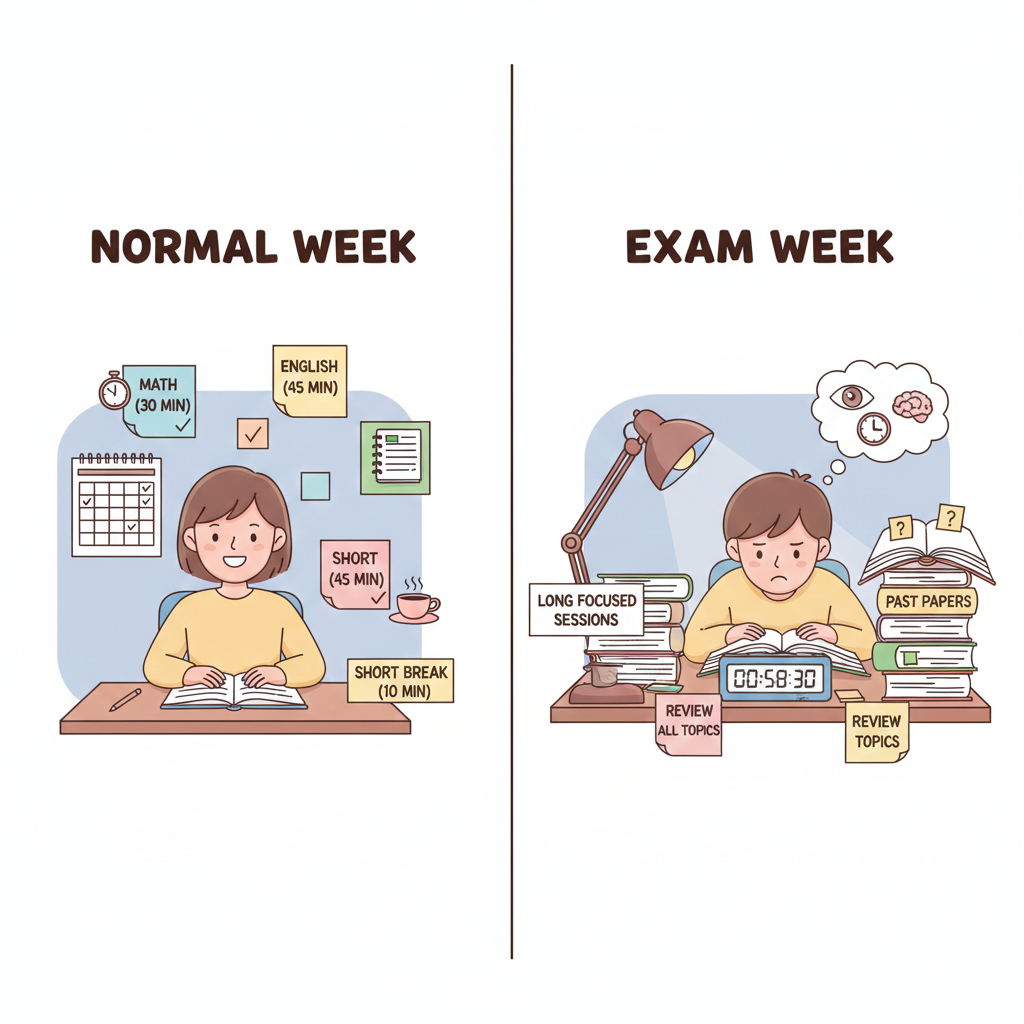
Your approach to studying should change based on whether it’s a regular week or exam week.
1. Normal Week Strategy
- Break study sessions into focused blocks (e.g., 45 minutes of studying, followed by 15 minutes of rest).
- Review notes daily, practicing problems where necessary.
- Seek clarification on confusing topics and focus on weak areas.
2. Exam Week Priorities
In the week leading up to exams, focus on:
- Reviewing high-yield topics and practicing past exams.
- Studying in blocks with breaks, using active recall methods.
- Reassessing your time management for the week.
3. Last 48-Hour Mistakes to Avoid
Avoid cramming the night before an exam. Instead:
- Review key concepts, avoid burnout, and sleep well.
- Understand the exam format to reduce stress on exam day.
Tip: In the last 48 hours before an exam, your brain needs rest more than it needs to cram. Get a good night’s sleep to consolidate information.
How Top High School Students Use Time (Without Studying All Day)

Top-performing students don’t study all day. Instead, they manage their time effectively, working smarter not harder.
- After-school Structure: Top students often follow a daily routine, which includes breaks and productive study sessions without distractions.
- Weekend Strategy: Weekends are reserved for focused study blocks, but students take breaks to recharge.
- Burnout Prevention: They make time for exercise, sleep, and social activities to maintain a healthy balance and avoid burnout.
Mistakes That Secretly Destroy GPA in High School
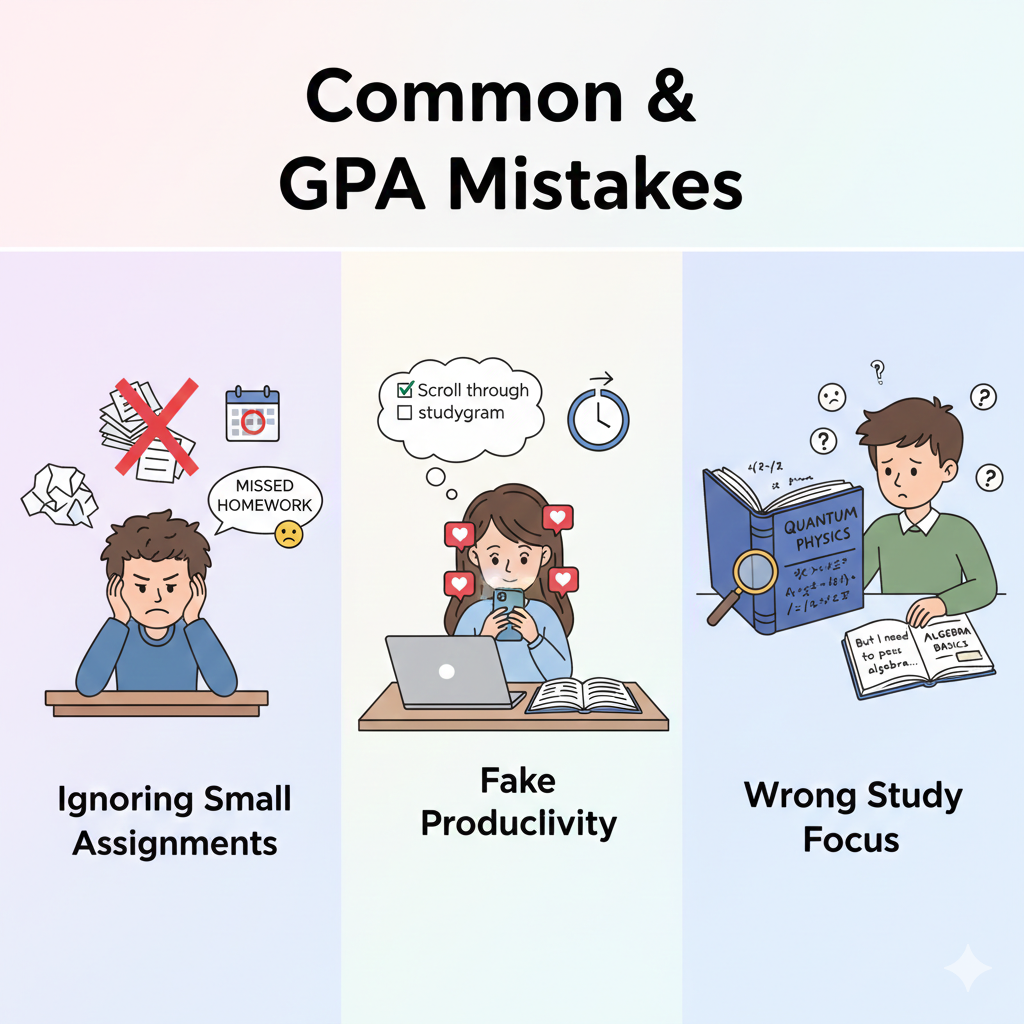
Some mistakes might seem insignificant but can negatively affect your GPA over time. Here are the ones to avoid:
- Ignoring Small Assignments: Even small assignments add up. Missing one here and there can hurt your GPA.
- Studying the Wrong Subjects More: Focusing too much on one subject while neglecting others can hurt your overall GPA.
- Fake Productivity: Many students spend hours “studying” without actually making progress. Stay focused on tasks that directly improve your grade.
- Ignoring Grading Rubrics: Always review the grading rubric for assignments. Failing to follow it can cost you valuable points.
Pro Tip: Consistency is key. Focus on high-impact tasks to improve your grades effectively.
How to Fix Bad Grades in One Subject Without Hurting Others
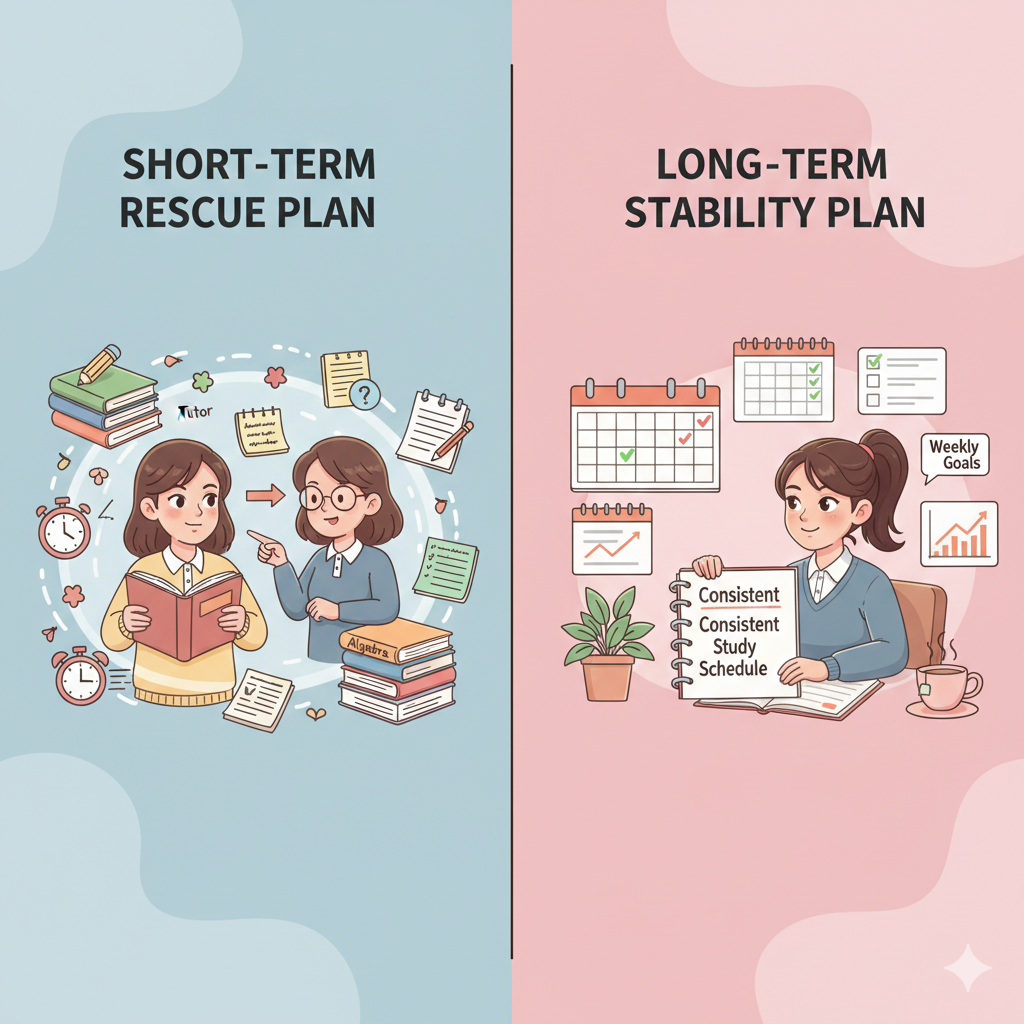
If you’re struggling in one subject, it’s essential to address the issue without compromising your other subjects. Here’s how:
- Root Cause Analysis: Figure out why you’re struggling in a subject. Is it a lack of understanding or poor time management?
- Short-term Rescue Plan: Focus on recovering your grade by spending extra time on the subject, attending office hours, or getting help from peers.
- Long-term Stability: After addressing immediate issues, work to prevent future problems by consistently reviewing material and staying on track with assignments.
The Mindset Shift That Separates Average Students from High Performers

The difference between average and top-performing students often comes down to mindset. High performers exhibit:
- Accountability: They take full responsibility for their grades and actions.
- Discipline: Consistency and following through with their plan are key to success.
- Pressure Handling: High performers handle pressure better, using it to fuel their performance instead of letting it cause stress.
Conclusion
Good grades in high school don’t come from luck or sheer intelligence they come from a structured system. By implementing a daily and weekly plan, managing your time effectively, and avoiding common mistakes, you’ll steadily improve your GPA and build a foundation for academic success. For a complete strategy to excel academically, explore the How to Get Good Grades pillar blog.
FAQs
How can I improve my GPA in high school quickly?
To improve your GPA, focus on high-impact tasks like mastering weaker subjects, completing all assignments on time, preparing for exams strategically, and tracking your grades monthly. Regular review and consistency are key.
What are the best study strategies for high school students?
Effective strategies include breaking study sessions into focused blocks, using active recall and spaced repetition, prioritizing weak subjects, and reviewing notes daily. Planning a study schedule tailored to your needs boosts performance.
How do top students manage time in high school?
High-performing students plan their day carefully, balancing schoolwork, extracurriculars, and rest. They use planners, track assignments, and break study sessions into 45–60 minute blocks with breaks to avoid burnout.
How many hours should I study each day in high school?
Study hours depend on workload and difficulty of subjects, but focusing on quality over quantity is crucial. Most top students study 2–4 focused hours daily during normal weeks and increase study intensity during exam weeks.
What are the most common mistakes that lower high school grades?
Mistakes include ignoring small assignments, cramming last minute, spending too much time on one subject, fake productivity, and not following grading rubrics. Avoiding these helps maintain a higher GPA.
How can I balance multiple subjects without falling behind?
Use a weekly study plan allocating time for weak subjects and maintaining strong subjects. Prioritize tasks, track progress, and adjust schedules weekly to stay on top of all classes.
What is the best way to prepare for high school exams?
Focus on high-yield topics, practice past exams under timed conditions, review notes daily, and avoid cramming. Use active recall, spaced repetition, and exam week planning for maximum results.
Can a high GPA in high school improve college admission chances?
Absolutely. Colleges heavily weigh GPA for admissions and scholarships. Consistently high grades, strong transcripts, and strategic subject selection significantly boost acceptance chances.
How do I stay motivated to improve my grades in high school?
Set clear goals, track progress, celebrate small wins, maintain a study routine, and learn from mistakes. Adopting a growth mindset and structured system helps sustain motivation over time.